

Walls That Look Built to Last Generations
Interior Stone Veneer & Stonework in Nampa for homes where plain drywall no longer fits the vision
LBZ Construction, LLC installs interior stone veneer and custom stonework throughout Nampa and surrounding Western Idaho properties where homeowners want visual weight and texture that paint and trim cannot deliver. You bring photos of fireplace surrounds, feature walls, or entry accents you've seen elsewhere, and the installation translates those ideas into stone-clad surfaces that change how a room feels the moment you walk in. Natural stone pulls color from the quarry face, while manufactured stone replicates specific looks without the structural load, and both options lock into place with mortar joints cut to match rustic, modern, or traditional design goals.
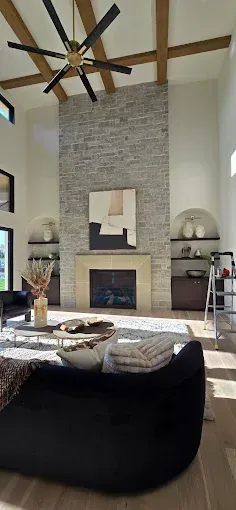
The work involves selecting stone that complements existing finishes, preparing wall surfaces to support the weight and adhesion requirements, and placing each piece so grout lines run level and stone edges align without gaps or lippage. Fireplace surrounds extend from hearth to ceiling when the design calls for a full-height feature, and entry accent walls stop at deliberate transitions where stone meets drywall in a clean reveal. Interior stonework adds thermal mass around fireplaces, hides surface imperfections on problem walls, and creates focal points that pull attention without requiring furniture or artwork.
Schedule an interior stone veneer consultation to review material samples and discuss layout options for your specific space.
What Detailed Craftsmanship Produces in Finished Stonework
Stone veneer installation starts with a moisture barrier and metal lath fastened to the wall substrate, followed by a scratch coat of mortar that keys into the lath and provides the bonding surface. Each stone piece gets backbuttered with mortar, pressed into place, and shimmed or adjusted until the face sits plumb and the joint spacing remains consistent across the entire installation. Corner pieces wrap the edge without exposed cuts, and capstones finish the top edge when the stonework stops below the ceiling line.
Once the mortar cures and the grout joints are tooled, you see stone surfaces that read as intentional architecture rather than applied decoration. Fireplace surrounds frame the firebox with stone that handles heat without cracking, feature walls add texture that changes with room lighting throughout the day, and entry accents create a transition between exterior curb appeal and interior design. The stone stays locked in place through seasonal humidity swings, and the finished surface requires only occasional dusting rather than repainting or refinishing.
LBZ Construction, LLC selects stone based on your project goals and matches installation methods to the wall type and load requirements, ensuring the veneer performs structurally as well as visually. Projects range from single fireplace surrounds to whole-room stonework that redefines how the space functions, and material options include ledgestone, stacked stone, river rock, and thin veneer profiles that install faster without sacrificing visual impact.
Questions Property Owners Ask Before Starting
Homeowners throughout Nampa ask about material selection, installation requirements, and how stone veneer changes room acoustics and maintenance routines before committing to a project.
What distinguishes natural stone from manufactured stone veneer in interior applications?
Natural stone is quarried and cut, offering unique color variation and texture but requiring structural support for the added weight, while manufactured stone is cast from molds and weighs significantly less, allowing installation on standard drywall with proper substrate preparation.
How does stone veneer installation affect wall preparation and project timing?
The wall receives a moisture barrier, metal lath, and scratch coat before stone placement begins, adding preparation time but ensuring long-term adhesion and preventing moisture issues that cause failure in shortcuts.
Why do grout joint widths vary across different stone veneer styles?
Rustic and stacked stone designs use tight joints with minimal grout exposure to emphasize the stone itself, while traditional layouts incorporate wider, tooled joints that create grid patterns and highlight individual stone shapes.
When should interior stonework extend to the ceiling versus stopping at a defined height?
Full-height installations create dramatic vertical emphasis and work well around fireplaces or in two-story spaces, while partial-height stonework with a defined cap provides a controlled accent without overwhelming smaller rooms.
What maintenance does interior stone veneer require after installation?
Sealed stone surfaces need only occasional dusting and damp wiping to remove debris, with resealing recommended every few years depending on stone porosity and exposure to moisture or cooking residue near kitchens.
LBZ Construction, LLC brings material samples to consultations so you can see how stone options look under your actual lighting conditions before selecting a style. Request an estimate to discuss custom stonework designed around your interior layout and finish preferences.