
Surfaces Restored Without Temporary Patch Failures
Stucco Repair & Restoration in Nampa for exteriors showing cracks, moisture damage, or finish deterioration
Stucco cracks when settlement shifts the building, moisture intrudes behind the finish coat and freezes during Idaho winters, or improper installation leaves the system without adequate reinforcement or drainage. LBZ Construction, LLC completes stucco repair and restoration projects throughout Nampa and the Treasure Valley where aging or damaged surfaces need more than cosmetic patching—the work involves identifying whether cracks signal structural movement or simply surface shrinkage, removing failed material back to sound substrate, and rebuilding the stucco system in layers that cure properly and integrate with surrounding finishes. You stop seeing widening cracks, water stains below windows, or sections where the finish coat has delaminated and exposed the brown coat underneath.
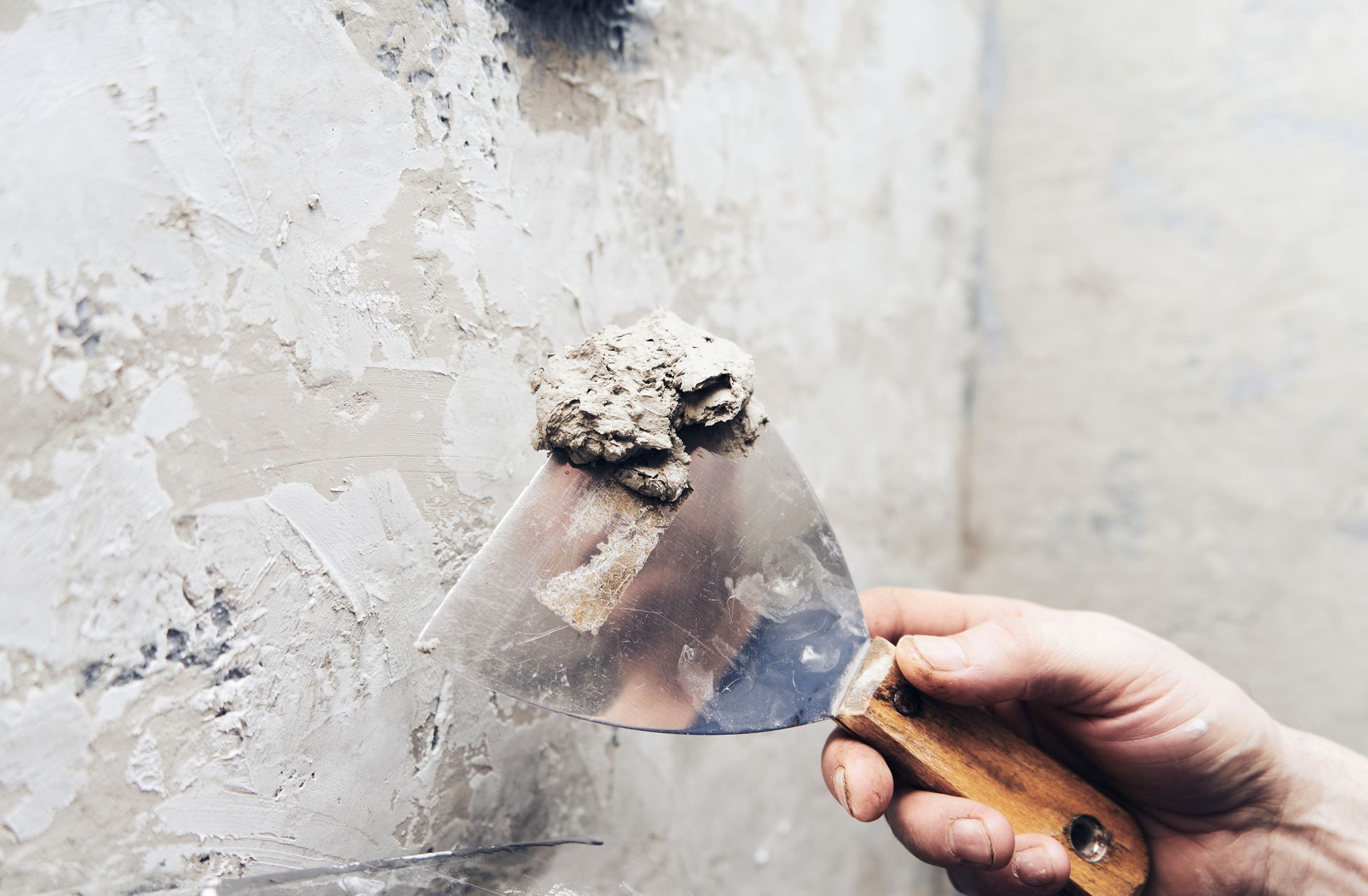
The repair process removes loose or damaged stucco to expose the lath or substrate, evaluates whether the underlying structure needs correction, and applies new scratch coat, brown coat, and finish coat in sequence with proper cure time between layers. Crack repairs involve routing out the damaged area, installing new reinforcement if needed, and feathering new material into existing stucco so the patch doesn't create a visible ridge or color mismatch. Texture matching replicates the original finish pattern—whether smooth trowel, skip trowel, or heavy dash—so repairs blend rather than announce themselves.
Schedule a stucco repair evaluation to identify damage causes and determine whether patching or full restoration makes sense for your property.
Why Correcting Underlying Issues Matters More Than Speed
Stucco failures often trace back to missing or damaged weather-resistant barriers that allow water behind the finish, inadequate flashing at roof and window transitions, or base coat application over unstable substrates that shift and crack the surface. Effective restoration addresses these causes—installing proper drainage planes, replacing deteriorated lath, adding expansion joints where building sections move independently—rather than applying surface patches that crack again within months. Idaho's weather exposure accelerates failure when moisture penetrates stucco and freezes, expanding cracks and pushing finish coats away from base layers.
Once repairs cure and the finish coat is sealed, you notice walls that shed water without staining, uniform color and texture across previously patched areas, and cracks that remain stable rather than reopening seasonally. Properly restored stucco stops moisture intrusion that damages sheathing and framing, eliminates the peeling and spalling that create ongoing maintenance cycles, and restores the exterior appearance that makes stucco a desirable finish when installed correctly.
LBZ Construction, LLC handles residential and light commercial stucco restoration throughout Western Idaho, working with traditional three-coat systems and synthetic stucco applications that require different repair approaches. The company focuses on clean repair work designed to blend naturally with surrounding finishes, matching both texture and color so patches don't remain visible after curing.
Questions Before Scheduling Stucco Work
Property owners ask about repair methods, material differences, and whether full replacement makes more sense than patching before moving forward with stucco projects.
What causes stucco cracks to reappear after patching?
Surface patches fail when underlying issues such as building settlement, missing expansion joints, or water intrusion behind the stucco remain unaddressed, causing new movement or deterioration that cracks the repair.
How does Idaho weather affect stucco longevity and repair urgency?
Freeze-thaw cycles force water trapped behind stucco to expand and contract, accelerating crack growth and finish delamination, which makes timely repair critical before minor damage spreads to larger sections requiring full replacement.
Why do stucco color matches sometimes remain visible even after texture blending?
Stucco pigments fade unevenly based on sun exposure and weathering, so new material matched to current color charts may not match aged finishes unless custom tinted or allowed to weather naturally over time.
When should full stucco replacement be considered instead of patching isolated damage?
Widespread cracking, extensive moisture damage, or underlying lath deterioration across large sections makes full removal and reinstallation more cost-effective and durable than repeated patch repairs that don't address systemic failure.
What preparation steps improve stucco adhesion and prevent future patching failures in Nampa's climate?
Clean substrate preparation, proper moisture barriers, corrosion-resistant lath, and adequate cure time between coats ensure new stucco bonds securely and withstands seasonal temperature and moisture fluctuations without delaminating.
LBZ Construction, LLC evaluates stucco damage to determine root causes and recommends repair strategies that deliver lasting results rather than temporary cosmetic fixes. Contact us to arrange a property assessment and discuss restoration options suited to your building's condition and budget.